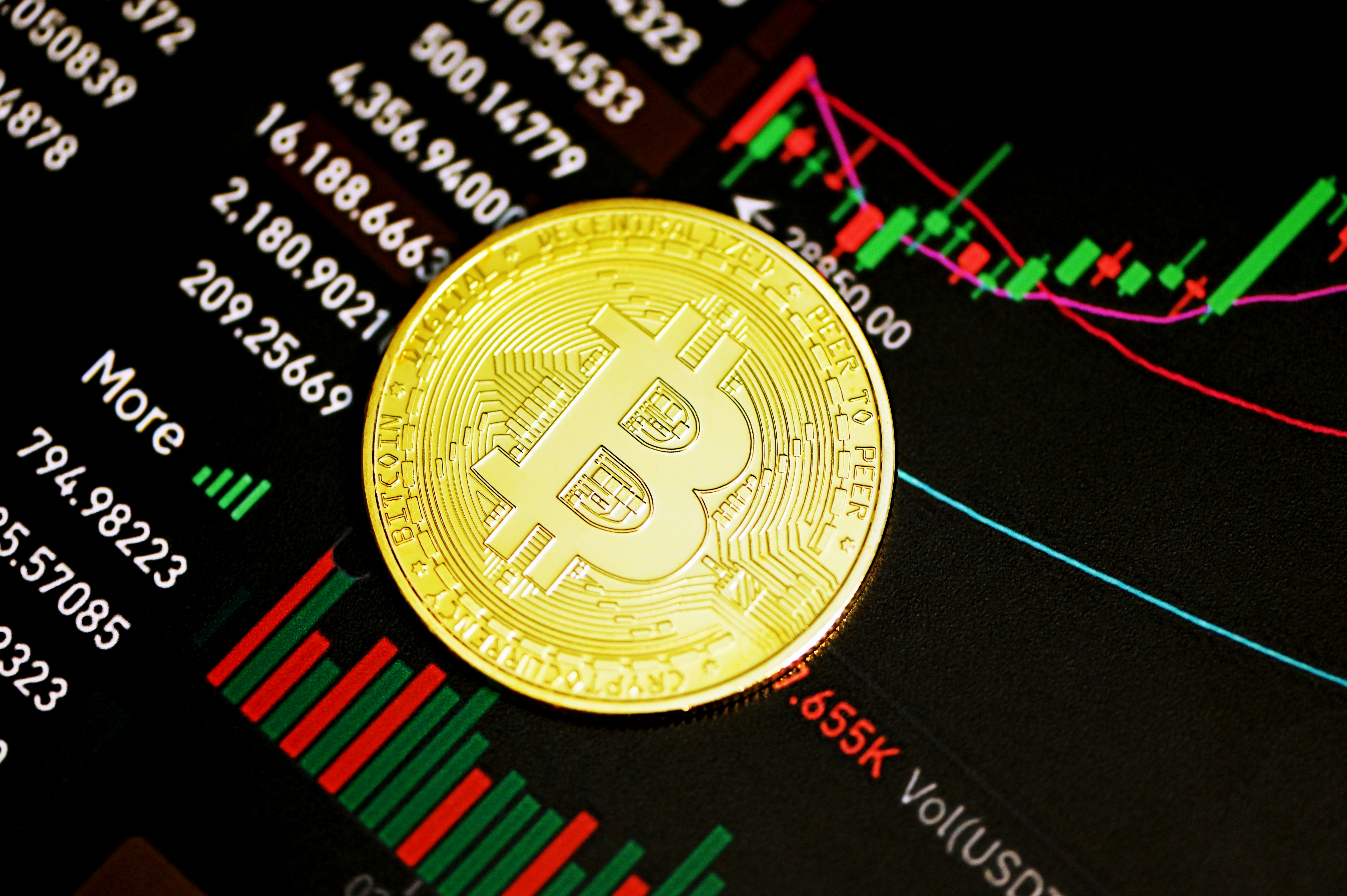
Introduction: The Landscape of Bitcoin Investment in 2026
As we enter 2026, the Bitcoin investment landscape has evolved significantly, marked by distinctive technological advancements and shifting regulatory frameworks. Bitcoin (BTC), the leading cryptocurrency, has matured from its early days of volatility into a more stable and widely accepted digital asset, drawing increased interest from institutional investors and retail buyers alike.
One prominent trend in 2026 is the integration of advanced blockchain technologies, which enhance security and speed in cryptocurrency transactions. The advent of second-layer solutions, such as the Lightning Network, has enabled faster and cheaper transactions, thereby improving the overall user experience. Investors now have the tools to conduct transactions with greater efficiency, making Bitcoin a more attractive investment option.
Another critical aspect influencing the current landscape is the ever-changing regulatory environment surrounding cryptocurrencies. Governments and financial institutions have begun to recognize the potential of Bitcoin, leading to clearer regulations that provide a more stable operational framework for investors. This shift has bolstered investor confidence, with many countries establishing guidelines that encourage responsible innovation while minimizing fraudulent activities in the cryptocurrency market.
Furthermore, the market analysis for Bitcoin in 2026 suggests a gradual increase in mainstream acceptance, with more businesses adopting it as a viable payment option. This trend not only boosts Bitcoin’s utility but also signals a shift in public perception, recognizing Bitcoin as an asset class worth considering in diversified investment portfolios.
In conclusion, the investment in Bitcoin as of 2026 presents a mature and evolving landscape shaped by innovative technologies, regulatory clarity, and increasing adoption. For potential investors, understanding these dynamics will be crucial in navigating the opportunities and challenges that lie ahead in the world of Bitcoin investment.
Why Invest in Bitcoin?
Bitcoin, often referred to as BTC, has garnered significant attention as a compelling investment option. One of the primary reasons to consider investing in Bitcoin is its potential for high returns. Historically, Bitcoin has exhibited substantial price increases, which has resulted in substantial profits for early adopters and long-term holders. For instance, from its inception, the value of Bitcoin has surged dramatically, commanding the interest of both retail and institutional investors looking for high-growth opportunities.
In addition to the upside potential, Bitcoin offers a hedge against inflation, a factor that has become increasingly relevant in recent years. Traditional currencies can lose value when inflation rises, eroding purchasing power. By contrast, Bitcoin boasts a capped supply of 21 million coins, which theoretically positions it as a deflationary asset. This characteristic makes Bitcoin particularly attractive, especially during economic uncertainty when inflationary pressures might threaten fiat currencies.
Furthermore, the growing acceptance of Bitcoin across various sectors underlines its viability as a lasting investment. Businesses, from small enterprises to major corporations, have begun to incorporate Bitcoin into their operations, either by accepting it as a form of payment or investing in it as part of their financial strategy. This trend signals a paradigm shift in how Bitcoin is perceived, moving it from a speculative asset to a legitimate financial resource with potential for broader applications.
Moreover, the long-term vision many investors have for Bitcoin positions it as a digital store of value, akin to gold in the modern digital economy. This perspective stems from the increasing trust in Bitcoin’s underlying technology, the blockchain, which enables secure and decentralized transactions. As more individuals and institutions recognize Bitcoin’s advantages, it is likely to continue its growth trajectory, making it a notable consideration for any investment portfolio.
How to Start Investing in Bitcoin: A Step-by-Step Guide
Investing in Bitcoin can be an exciting yet daunting venture for newcomers, owing to the complexity of the cryptocurrency landscape. However, by following a structured approach, one can easily navigate the process of acquiring Bitcoin. Here is a comprehensive step-by-step guide to help you get started on your Bitcoin investment journey.
First, the selection of a suitable Bitcoin wallet is crucial. A wallet is a digital tool that allows you to store and manage your Bitcoins securely. There are various types of wallets available, including hardware wallets, software wallets, and online wallets. Each type has its own security features and accessibility options, so it is important to choose one that aligns with your investment goals and security preferences.
Once you have selected a wallet, the next step is to choose a cryptocurrency exchange. This platform is where you will buy, sell, and trade Bitcoin. Factors to consider when selecting an exchange include user reviews, fees, security measures, and available payment methods. Popular exchanges include Coinbase, Binance, and Kraken, each with its own set of features catering to different types of investors.
After deciding on an exchange, you will need to create an account. This process typically requires you to provide personal information and undergo a verification process to ensure compliance with financial regulations. Be prepared to submit identification documents to facilitate this security measure.
With your account set up and verified, you can fund it using your preferred payment method, such as a bank transfer or credit card. Once your account is funded, you are ready to make your first purchase of Bitcoin. Enter the desired amount, review the transaction details, and confirm your purchase. Finally, ensure that you transfer your Bitcoin from the exchange to your wallet for enhanced security.
Types of Bitcoin Investment Strategies
Investing in Bitcoin (BTC) requires a clear strategy, as the cryptocurrency market exhibits high volatility and diverse opportunities. Numerous Bitcoin investment strategies exist, catering to various investor profiles. Among them, HODLing, day trading, dollar-cost averaging, and options trading are widely recognized.
HODLing, derived from a misspelled word for “holding,” emphasizes long-term investment. Investors who choose this strategy purchase Bitcoin and retain it over extended periods, regardless of market fluctuations. The primary advantage of HODLing is its simplicity and reduced need for constant market observation. However, the downside is increased exposure to market volatility, which can lead to significant short-term losses.
Contrastingly, day trading involves actively buying and selling Bitcoin within short time frames—often within a single day. This strategy aims to capitalize on short-term price movements and requires in-depth market analysis and a keen understanding of trading tools. The pros of day trading include the potential for high returns in a rapidly changing market. Conversely, it entails substantial risks, as market unpredictability can lead to considerable financial losses.
Dollar-cost averaging (DCA) is another effective strategy that involves investing a fixed amount of money in Bitcoin at regular intervals. This method mitigates the effects of volatility, as purchases occur across varying market conditions. While it may not yield the highest returns compared to other strategies in a bull market, it offers a more balanced risk profile as the investor accumulates Bitcoin over time.
Lastly, options trading permits investors to buy or sell Bitcoin at predetermined prices within specified time frames. This strategy appeals to more experienced investors due to its complexity and is often utilized for hedging against price fluctuations. Although options trading can maximize potential profits, it also carries the heightened risk of substantial losses if the market does not move as anticipated.
In conclusion, the choice of a Bitcoin investment strategy should align with an investor’s risk tolerance and financial goals. Each method has its merits and drawbacks, making it essential to evaluate personal circumstances and market conditions before proceeding.
Analyzing Bitcoin Market Trends and Tools
As Bitcoin continues to evolve as an investment asset, utilizing the right tools and resources for analyzing market trends becomes crucial for investors. Various platforms and software have emerged, each offering distinct features that can help investors make informed decisions. One of the most useful tools for tracking Bitcoin prices and market behaviors are charting software applications. These tools allow users to visualize price movements, identify trends, and apply technical analysis through various charts and indicators.
Popular charting software like TradingView provides a comprehensive suite of tools, incorporating live price feeds and interactive charts. Investors can leverage these features to analyze historical data, apply indicators such as Moving Averages, Relative Strength Index (RSI), and Fibonacci retracement levels to predict potential market movements. Moreover, users can customize their charts to monitor multiple time frames, helping them to identify both short-term and long-term trends within the Bitcoin market.
Beyond charting applications, news aggregators play a vital role in keeping investors informed. Websites such as CoinDesk and CryptoSlate compile news articles, press releases, and relevant insights from across the cryptocurrency ecosystem. Being aware of news events—such as regulatory changes, technological advancements, or macroeconomic factors—can assist investors in anticipating price volatility and trends. In addition, social media sentiment analysis tools enable individuals to gauge public sentiment surrounding Bitcoin by analyzing posts and discussions occurring on platforms like Twitter and Reddit. This can offer valuable insights into market sentiment, helping investors understand the psychological factors that might influence Bitcoin prices.
In summary, by utilizing charting software, news aggregators, and sentiment analysis tools, cryptocurrency investors can greatly enhance their understanding of Bitcoin market trends. These resources empower investors to make well-informed decisions based on comprehensive market data, ultimately helping them navigate the complexities of Bitcoin investing in 2026 and beyond.
Risks and Challenges in Bitcoin Investment
Investing in Bitcoin (BTC) offers significant potential rewards; however, it also encompasses various risks and challenges that investors must carefully consider before committing their capital. One prominent risk associated with Bitcoin investment is market volatility. The price of Bitcoin can experience dramatic fluctuations within short time frames, driven by factors such as market sentiment, regulatory news, and macroeconomic conditions. This high volatility can result in substantial losses if an investor is not adequately prepared for price swings.
Regulatory risks also pose a critical challenge for Bitcoin investors. Governments worldwide are still formulating their approaches to cryptocurrency regulations, which can lead to sudden changes in the legal landscape. Potential regulations could limit the use and exchange of Bitcoin, or even lead to outright bans in certain jurisdictions. Investors must remain vigilant, staying informed about local and international regulatory developments, as these changes could significantly impact the value of their investments.
Technological vulnerabilities represent another area of concern in Bitcoin investment. The underlying technology of Bitcoin, while generally robust, is not impervious to failures or attacks. Issues such as software bugs, cyberattacks on exchanges, and wallet security breaches could result in loss of funds. Thus, it is essential for investors to employ best practices in securing their Bitcoin assets, including using reputable exchanges, enabling two-factor authentication, and storing Bitcoin in secure wallets.
Preparing for these risks involves a multifaceted strategy that includes thorough research, risk assessment, and diversification of investment portfolios. By understanding and actively mitigating these risks, investors can navigate the complexities of the Bitcoin market with greater confidence.
Frequently Asked Questions About Bitcoin Investment
As the popularity of Bitcoin (BTC) continues to rise, many potential investors find themselves with numerous questions about entering the cryptocurrency market. This section aims to address commonly asked queries to help prospective investors gain clarity.
Is it too late to invest in Bitcoin? One of the most prevalent concerns among new investors is whether they have missed the boat on Bitcoin investments. While Bitcoin has experienced substantial growth over the years, many experts argue that it is not too late to invest. The cryptocurrency market is highly volatile, and price fluctuations create continuous opportunities for investment. Moreover, Bitcoin’s potential for mainstream adoption means that its value could increase significantly in the years ahead.
How does Bitcoin mining work? Bitcoin mining is a crucial process that involves verifying transactions on the Bitcoin network and adding them to the blockchain. Miners use powerful computers to solve complex mathematical problems, and in return, they are rewarded with new bitcoins. This process not only secures the network but also regulates the introduction of new bitcoins into circulation. It is important to note that the mining process requires significant computing power and energy resources, which has led to growing concerns over environmental impact.
What are the risks associated with investing in Bitcoin? Like any investment, Bitcoin carries risks that potential investors should consider. The price of Bitcoin can be highly volatile, leading to significant gains or losses in a short period. Additionally, the lack of regulation in the cryptocurrency industry can expose investors to fraud and security risks. Therefore, conducting thorough research and considering one’s risk tolerance is essential before investing in Bitcoin.
While the world of cryptocurrency may seem daunting at first, understanding fundamental concepts and addressing common questions can help clarify the investment landscape. By remaining informed and cautious, potential investors can make more educated decisions regarding their Bitcoin investments.
Creating a Bitcoin Investment Portfolio
Investing in Bitcoin (BTC) can be a lucrative venture, but it is imperative to approach it with a well-structured investment portfolio that reflects your overall financial strategy. One essential aspect of creating a Bitcoin investment portfolio is asset allocation. This means determining how much of your total investment should be allocated to Bitcoin compared to other asset classes, such as stocks, bonds, and real estate. A balanced approach can help mitigate risks associated with market volatility often seen in cryptocurrencies.
When allocating funds, consider your risk tolerance, investment goals, and time horizon. Generally, younger investors might afford to allocate a larger portion of their portfolio to Bitcoin given their longer time frame to recover from potential losses. Alternatively, more conservative investors may opt for a smaller allocation. A common strategy involves diversifying across multiple sectors and including both traditional and digital assets, thereby not relying solely on Bitcoin.
Furthermore, balancing risk among different investments is crucial. Diversification can significantly reduce the impact of poor-performing assets on your overall portfolio. For instance, if Bitcoin’s price fluctuates, having a variety of asset types can stabilize returns. It is wise to keep abreast of market trends and research the performance of various cryptocurrencies. Explore not only Bitcoin but also altcoins that show promise, as they could potentially complement your investment strategy.
Research is an indispensable part of building a Bitcoin investment portfolio. Understanding the fundamentals of blockchain technology, the regulatory environment, and market sentiment around Bitcoin can guide your investment decisions. Employing fundamental analysis and staying updated on news within the cryptocurrency space will enhance your portfolio management. In conclusion, strategically allocating assets, embracing diversification, and conducting thorough research are key components to creating a robust Bitcoin investment portfolio.
Conclusion: The Future of Bitcoin Investment
As we conclude this comprehensive guide to investing in Bitcoin (BTC) in 2026, it is essential to reflect on the key points discussed throughout the blog post. Bitcoin has established itself as a formidable player in the financial landscape, evolving from a niche digital currency to a mainstream asset class. The factors contributing to its increasing relevance include heightened institutional interest, regulatory developments, and technological advancements that enhance transaction security and efficiency.
Looking ahead, the potential for Bitcoin investment remains significant. Market conditions may continue to fluctuate, influenced by various elements such as macroeconomic trends, regulatory changes, and competitive advancements within the cryptocurrency space. Investors must stay informed and adapt their strategies accordingly. Furthermore, as Bitcoin begins to integrate more deeply with traditional financial systems, understanding its underlying mechanisms and the broader market dynamics will become essential for making prudent investment decisions.
It is vital for potential investors to conduct thorough research and educate themselves on the nuances of Bitcoin and the cryptocurrency ecosystem. By gaining insight into market trends and infrastructure developments, investors can align their strategies with their financial goals. Diversification, risk assessment, and an awareness of market volatility should remain integral components of any investment approach. Responsible investment does not merely involve purchasing assets but requires continuous learning and re-evaluation of one’s portfolio.
In summary, investing in Bitcoin presents both opportunities and challenges. With the right knowledge and approach, investors can navigate this dynamic market effectively, positioning themselves to capitalize on Bitcoin’s growth potential while managing associated risks. As we move forward, potential investors are encouraged to embrace a mindset of learning while making informed choices that align with their long-term financial aspirations.

